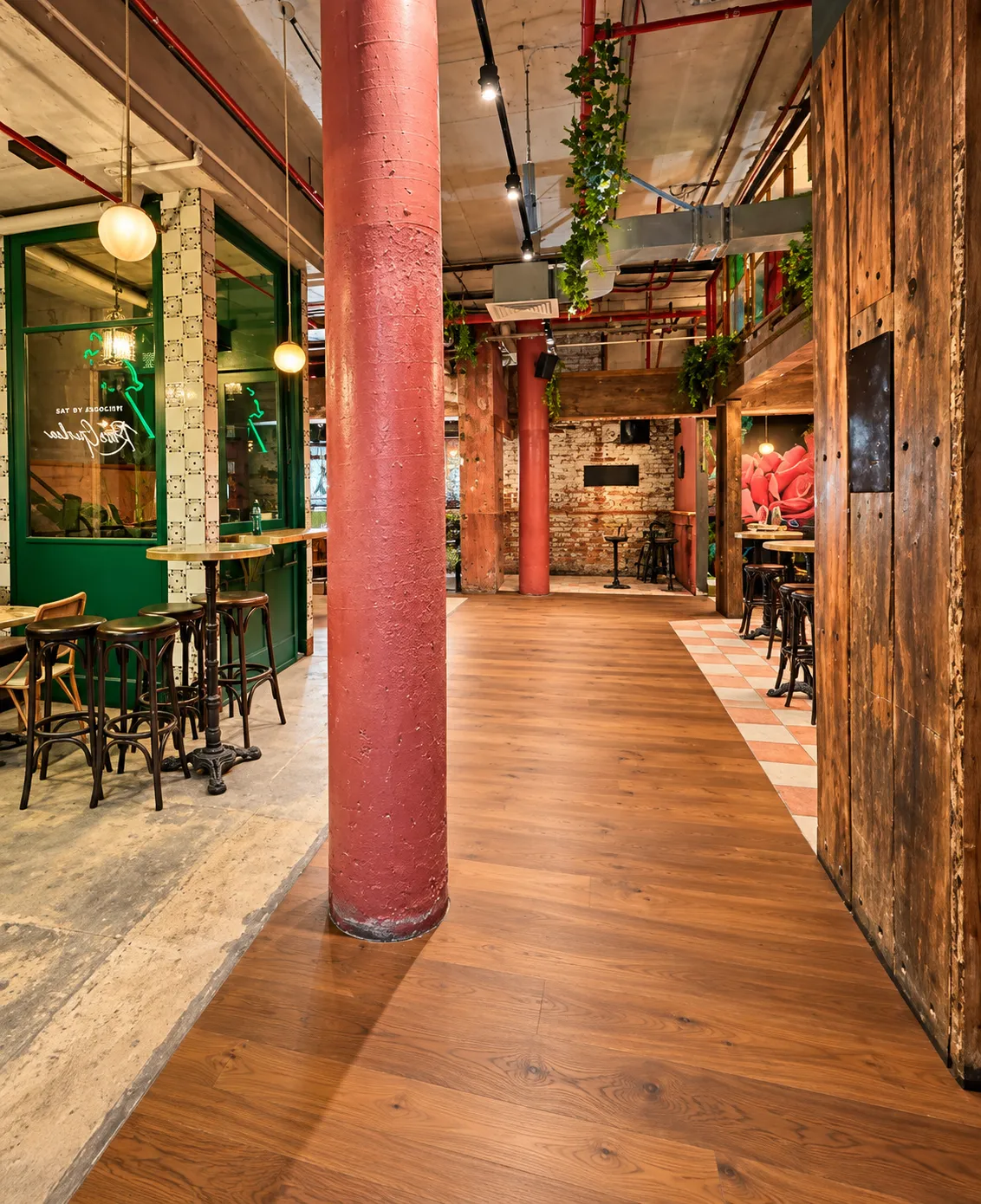
Engineered vs Solid Timber Flooring
Engineered and solid timber can both provide a real timber surface. The difference is how the board is made and how that construction fits the building. For a Melbourne homeowner, the right comparison starts with the substrate, required floor height, room conditions and plans for future maintenance—not the idea that one category is automatically superior.
Shiny Floors describes its engineered flooring as a genuine hardwood surface layer bonded to a stable backing layer. That is not solid hardwood. Individual products vary, so confirm the specification of the exact board being quoted. This guide separates appearance from construction and explains the questions to ask before choosing either system.
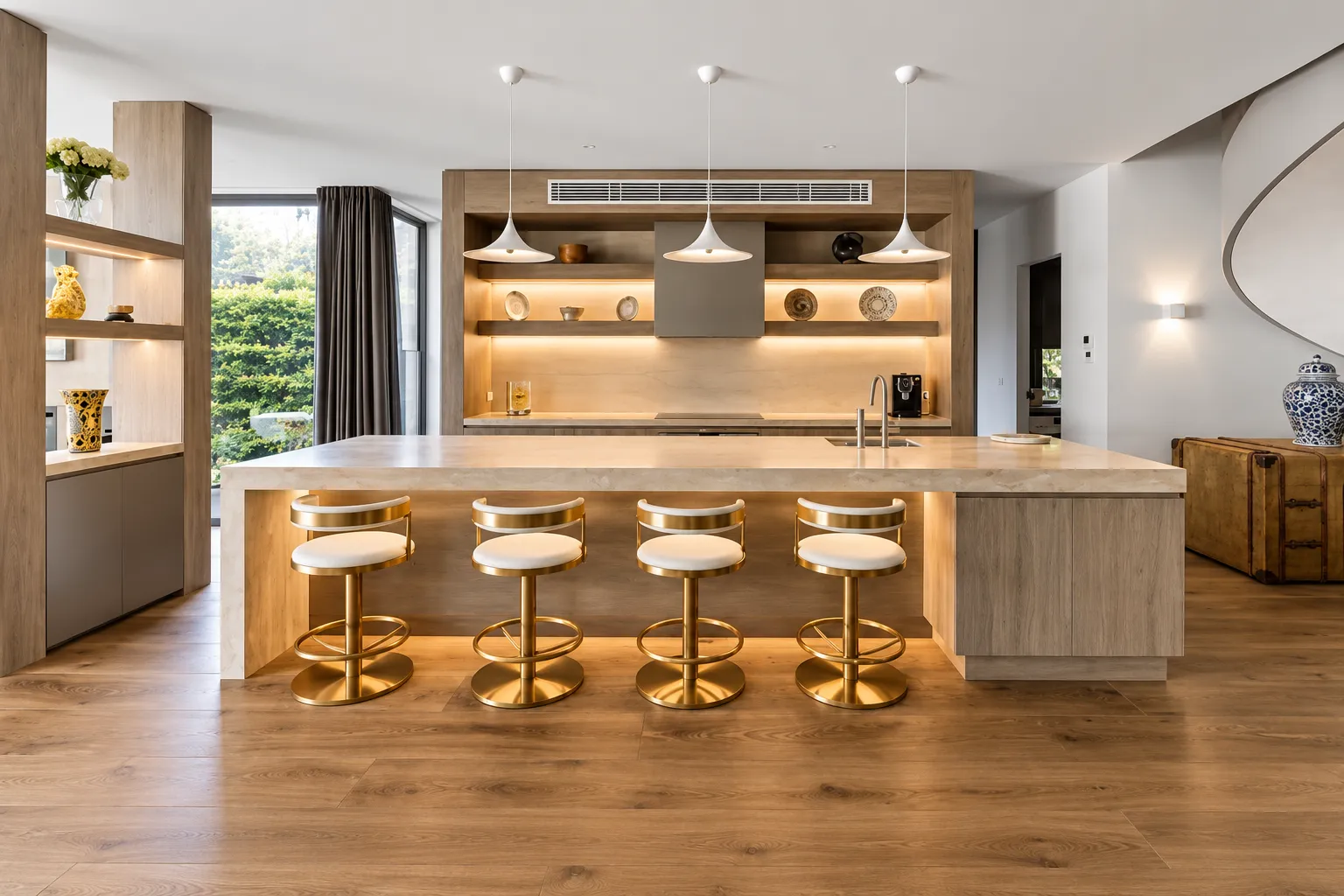
What solid timber flooring is
A solid timber board is timber through its thickness, rather than a decorative timber layer bonded onto a different backing. Australian hardwood floors commonly use species such as Blackbutt and Spotted Gum, while other species are also available. The species, grade, dimensions and finish determine appearance; the word solid does not tell you all of those details.
Solid timber can be sanded multiple times, subject to condition and remaining usable timber. The whole board thickness is not a sanding allowance. The position of the tongue and groove, previous sanding and local wear matter. A restorer must assess the floor rather than promise unlimited renewals on the strength of the category alone.
What engineered timber flooring is
Engineered flooring combines a real timber wear layer with a backing designed to support it. The layered construction generally improves dimensional stability compared with a similarly sized solid board, but it still responds to moisture. Its performance depends on the full product specification, the installation system and conditions within the home.
The hardwood surface layer on Shiny Floors’ engineered range is the visible real timber layer. Do not confuse it with the overall board thickness. A 14mm or 19mm board describes the complete product, not 14mm or 19mm of timber available for sanding. Ask for both measurements and the manufacturer’s refinishing guidance.
Engineered timber is not laminate
Laminate has an MDF core with a printed image layer. It can reproduce a timber appearance, but there is no real timber wear layer to sand. Engineered boards have real timber at the surface. This distinction affects restoration options; it does not mean every engineered floor is suitable for every sanding method or wet location.
Movement and moisture: stable does not mean waterproof
Timber changes dimension as its moisture content changes. A floor needs suitable indoor conditions and allowance for movement regardless of which category you choose. Engineered construction can reduce movement, but it cannot make an unresolved leak, wet slab or unsuitable indoor environment harmless. Water resistance claims should be read for the exact product, not assumed from its name.
Melbourne houses can include poorly ventilated subfloor spaces, new concrete extensions and rooms with strong afternoon sun. These conditions require different checks. Ask how the installer will assess substrate moisture and indoor conditions, and what work must be completed before installation. A moisture barrier is not a repair for the source of ongoing dampness.
Installation depends on the product and substrate
Some engineered products can be installed as floating floors, while others can be directly bonded using an approved system. Some permit more than one method. Solid timber also requires an appropriate fixing and substrate arrangement. Avoid choosing a method from a category label alone; ask for the manufacturer-approved method for the specific board and your home.
A floating floor is not fixed to the substrate in the same way as a bonded floor. Its perimeter and transitions must allow the movement required by its instructions. Heavy fixed cabinetry and other restraints require planning. A bonded installation depends on substrate preparation, adhesive compatibility and correct application. Both methods need a suitable, sufficiently flat base.
Apartments and heating need separate checks
For an apartment, review owners corporation rules and acoustic requirements for the whole flooring assembly. For underfloor heating, confirm written compatibility and operating limits for the board, adhesive and underlay where applicable. Do not assume that all engineered flooring suits heating, or that choosing an underlay by itself proves compliance with an acoustic requirement.
Compare finished height, not just board thickness
The finished assembly may include preparation products, a moisture-management system, plywood, adhesive or underlay. Its height affects door clearances, stair details, thresholds and transitions to tiles. Discuss these interfaces before ordering. Removing an old covering may reveal a different level from the one shown on a renovation drawing.
The Brighton Residence case study records 14mm engineered boards over a marine-ply build-up. The Garden State Hotel project records 19mm engineered flooring during a four-day shutdown. These are examples of different assemblies and programmes, not specifications to copy into every home. The appropriate thickness and build-up depend on the existing structure and intended use.
Finishes affect timing and everyday appearance
Engineered boards are often supplied prefinished, while solid flooring may be finished on site; there are exceptions in both categories. Confirm what is included. Factory-finished boards avoid an on-site coating stage for that installation, but substrate work and adhesive restrictions can still control when a room may be used.
A timber surface can have a clear coating, oil system or coloured finish. Sheen, texture and colour treatment affect how wear looks and how repairs are approached. Compare several samples from the intended product. A species name alone does not identify the colour or gloss you will receive, and natural variation should be expected within the specified grade.
Sanding and repair: ask before you buy
A suitable solid floor can be sanded multiple times. An engineered floor may be sandable if sufficient real timber remains and its manufacturer permits the proposed work. Deep scratches, previous sanding, surface texture and the coating system can alter the options. Never treat the original wear-layer measurement as a guaranteed number of future sanding cycles.
Some maintenance work renews the coating rather than removing substantial timber. It requires a compatible existing finish and appropriate preparation. Local board replacement may be another option, depending on access, fixing and matching material. Keep spare boards where practical, along with the product name, batch details and coating information, to make later maintenance decisions easier.
Make the comparison using a written specification
Ask each estimate to identify the exact board, total thickness, wear-layer thickness where applicable, grade, finish and installation method. Then compare substrate preparation, moisture provisions, transitions and removal of old coverings. Without that detail, two estimates described as timber flooring may cover very different work.
Choose solid timber when its appearance, construction and maintenance potential suit the building. Choose engineered when a suitable layered product and installation system fit your substrate, desired dimensions and programme. Neither choice removes the need for careful preparation. Bring your room measurements and samples to a showroom appointment to discuss the actual assembly rather than a general category.
Frequently asked questions
Is engineered flooring real wood?
Yes. Engineered boards have a real timber wear layer bonded to a backing. Shiny Floors describes its engineered range as a genuine hardwood surface layer on a stable backing layer. It is real timber at the surface, but it is not a solid hardwood board.
Can engineered timber be sanded?
Some engineered floors can be sanded, subject to remaining wear-layer thickness, condition and manufacturer guidance. Previous sanding, textured finishes and deep damage can limit what is possible. An inspection is needed; the original veneer thickness does not guarantee a fixed number of future restorations.
Is engineered timber waterproof?
No general waterproof claim should be assumed. Engineered construction improves stability but does not remove timber’s response to moisture. Check the exact product’s suitability, installation requirements and care instructions, and address leaks or dampness before fitting a timber floor.
Which floor is better for a Melbourne apartment?
The appropriate floor depends on the slab, required floor height, product compatibility and owners corporation rules. Acoustic performance concerns the complete installed assembly. Get the approval requirements before ordering, then compare an approved product and installation method rather than choosing by category alone.
Discuss your floor.
See our engineered flooring service, compare colours and species, or visit the showroom strictly by appointment only.
Get an Estimate